A Lab-Tested BPC-157 Just Launched: What It Says About the Research Peptide Market
RY
Ryan Mercer · Biotech & Markets Writer ·
On June 9, 2026, a company called Koi Peptides announced a new product: a research-grade version of BPC-157 sold strictly for laboratory use, with lab testing and a certificate of analysis attached to every batch. On its own, one product launch is not big news. But the timing and the way it was sold say a lot about where the research peptide market is heading.
What was actually launched
BPC-157 is a small lab-made peptide that has been studied mostly in animals for healing and gut repair. Koi Peptides is not selling it as a medicine or for people to take. It is selling it as a reference compound, which is a clean, well-documented sample that labs use for research and testing.
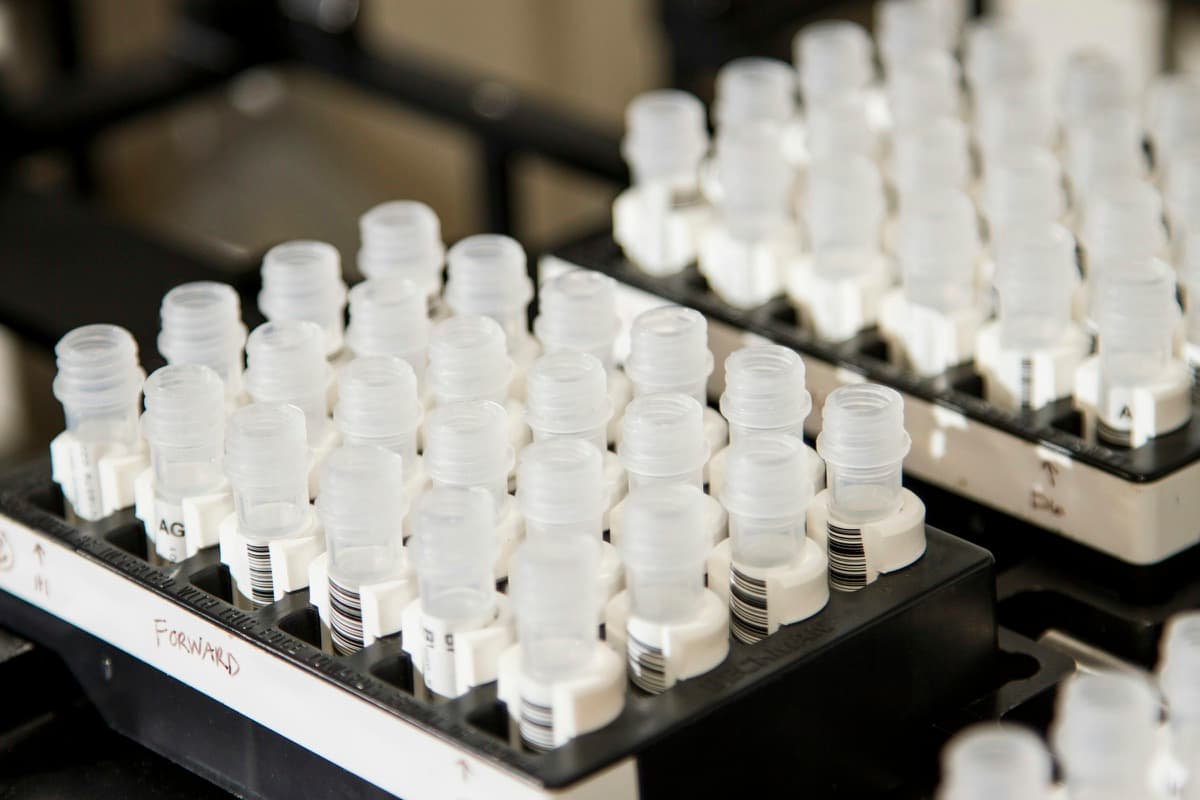
The selling point is the paperwork. Every batch is checked two ways: one test confirms how pure it is, and another confirms it is actually the molecule it claims to be. Each vial then ships with a certificate of analysis, often shortened to COA, that ties the product to those test results. The company also says it keeps a public library of these certificates, so a buyer can look up the data behind a specific batch.
Why proof is suddenly the selling point
For years, a lot of research peptides were sold with little more than a label and a promise. That is changing fast, and a few things are pushing it.
First, trust took some hits. Two well-known suppliers shut down in early 2026, which left a lot of buyers hunting for new sources they could rely on. When the names you trusted disappear, documentation becomes the next best way to judge a seller. A certificate of analysis is basically a receipt that says an independent test backs up the claim on the label.
Second, the rules around BPC-157 just changed. In April 2026, the FDA took BPC-157 off a restricted list it had been on since 2023, which made the peptide easier to work with again. We covered that shift in our piece on the FDA peptide compounding changes. A government advisory panel is also set to take a closer look at BPC-157 in late July 2026. When attention goes up, demand goes up, and sellers race to look like the most credible option.
What this means for the market
Put those pieces together and you get a clear direction. The research peptide market is moving away from cheap and unproven, and toward documented and verifiable. Sellers are competing less on price alone and more on whether they can show their work. A public COA library, batch testing, and clear "for lab use only" labeling are becoming table stakes rather than nice extras.
This mirrors what we see with better-known peptides like TB-500, which sit in the same research category and face the same questions about purity and proof. As more buyers learn to ask for a certificate of analysis, the sellers who cannot provide one will have a harder time.
One important reminder
It is worth being clear about what this launch is not. A clean certificate of analysis tells you the contents of the vial are pure and correctly identified. It does not tell you the peptide is safe or effective in people. BPC-157 is still backed mostly by animal studies, much of it from a single research group, and it is not an approved drug. Better paperwork raises the quality of the supply, but it does not settle the science.
Still, the trend is healthy. A market where buyers can actually check what they are getting is a better market than one built on labels and trust alone. The Koi Peptides launch is a small example of a bigger move toward proof, and that move is likely to keep going as more eyes land on peptides in 2026.
RY
Written by
Ryan Mercer
Biotech & Markets Writer
Ryan Mercer covers the business and market side of biotechnology, with a focus on peptide therapeutics, GLP-1 drugs, and the companies building around them. He tracks regulatory developments, clinical pipelines, and the commercial dynamics shaping how peptide science moves from research into mainstream healthcare and consumer products.
About Peptide.pub →