Once a Month Instead of Once a Week: Inside Pfizer's New GLP-1 Results
RY
Ryan Mercer · Biotech & Markets Writer ·
Most of the GLP-1 weight loss drugs people know today, like Wegovy and Zepbound, are taken as a shot once a week. On June 6, 2026, at the American Diabetes Association meeting in New Orleans, Pfizer shared results that could change that routine. Its drug, known for now as PF-08653944 (also called MET-097i), is built to last so long in the body that one shot a month may be enough.
The study is called VESPER-3, and it hit its main goal: people taking the monthly shot lost a meaningful amount of weight. Just as interesting, people who started on a weekly drug and then switched to the monthly version kept losing weight after the switch. That last detail is the part that has the market paying attention.
Why once a month matters
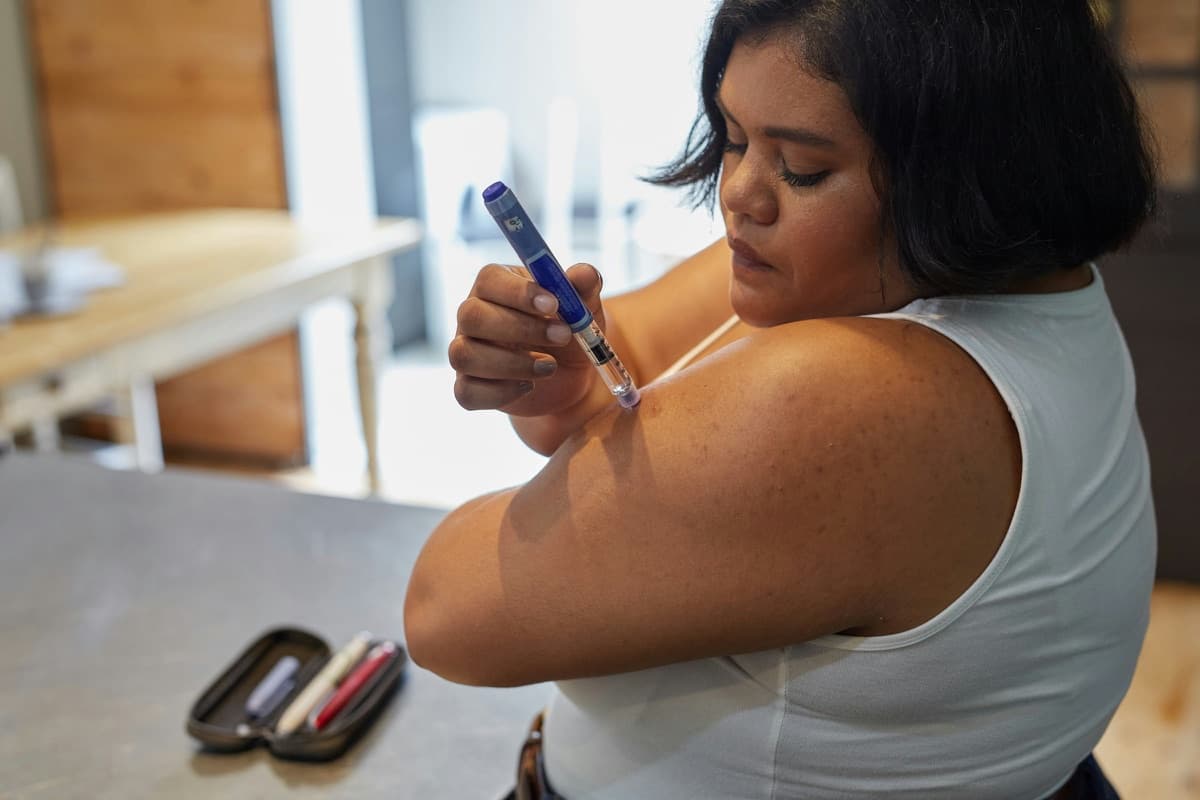
A weekly shot does not sound like a big burden, but it adds up. Fifty-two injections a year means 52 chances to forget a dose, run out of supply, or simply get tired of the routine. A lot of people stop taking these drugs within the first year, and the hassle of frequent dosing is one of the reasons. A shot you only take 12 times a year is easier to stick with, and people who stick with treatment tend to get better results.
There is also a simple comfort factor. Fewer injections means fewer sore spots and fewer reminders that you are on a medication at all. For a drug that people may take for years, small things like this can decide whether someone keeps going or quits.
What the science is doing differently
The whole point of this drug is to stay active in the body far longer than the current options. GLP-1 is a natural hormone that helps control blood sugar and appetite, but on its own it breaks down within minutes. Drugs like semaglutide (the ingredient in Wegovy and Ozempic) are designed to resist that breakdown and last about a week. Pfizer's molecule pushes that staying power out to roughly a month.
This is the same basic idea that powers the rest of the GLP-1 family, including tirzepatide, which adds a second hormone target to boost results. The difference here is not a new target. It is how long the drug keeps working from a single dose.
The bigger race
Pfizer is not the only company chasing this. The weight loss market has become one of the busiest areas in all of medicine, and companies are now competing on more than just how much weight a drug takes off. They are competing on how the drug is taken: weekly versus monthly, shot versus pill, and how easy it is to start and stay on.
Eli Lilly's triple-hormone drug retatrutide, which also had fresh results at this same meeting, is pushing the limits on raw weight loss. Pfizer is pushing on convenience. Both matter, and over the next few years the winners will likely be the drugs that combine strong results with a routine people can actually live with.
This competition connects to a story we have been following on the business side, including how telehealth companies are racing to lock up GLP-1 supply and build their own peptide pipelines. A monthly shot would be easier for those platforms to ship and manage, which is one more reason this result is worth watching.
What to keep in mind
A couple of cautions are fair here. VESPER-3 is an earlier-stage study, not the final word, and a drug has to clear larger trials before it can reach pharmacies. Side effects also matter. The GLP-1 drugs are known for nausea and other stomach issues, and a longer-lasting drug needs to manage those carefully, since you cannot simply skip a dose to let it wear off.
Still, the direction is clear. The first wave of these drugs proved they work. The next wave is about making them easier to take. A once-a-month shot that keeps the weight coming off, even after switching from a weekly drug, is a real step in that direction.
RY
Written by
Ryan Mercer
Biotech & Markets Writer
Ryan Mercer covers the business and market side of biotechnology, with a focus on peptide therapeutics, GLP-1 drugs, and the companies building around them. He tracks regulatory developments, clinical pipelines, and the commercial dynamics shaping how peptide science moves from research into mainstream healthcare and consumer products.
About Peptide.pub →