The First GLP-1 Pill You Can Take Any Time: Lilly's Foundayo Is Here
RY
Ryan Mercer · Biotech & Markets Writer ·
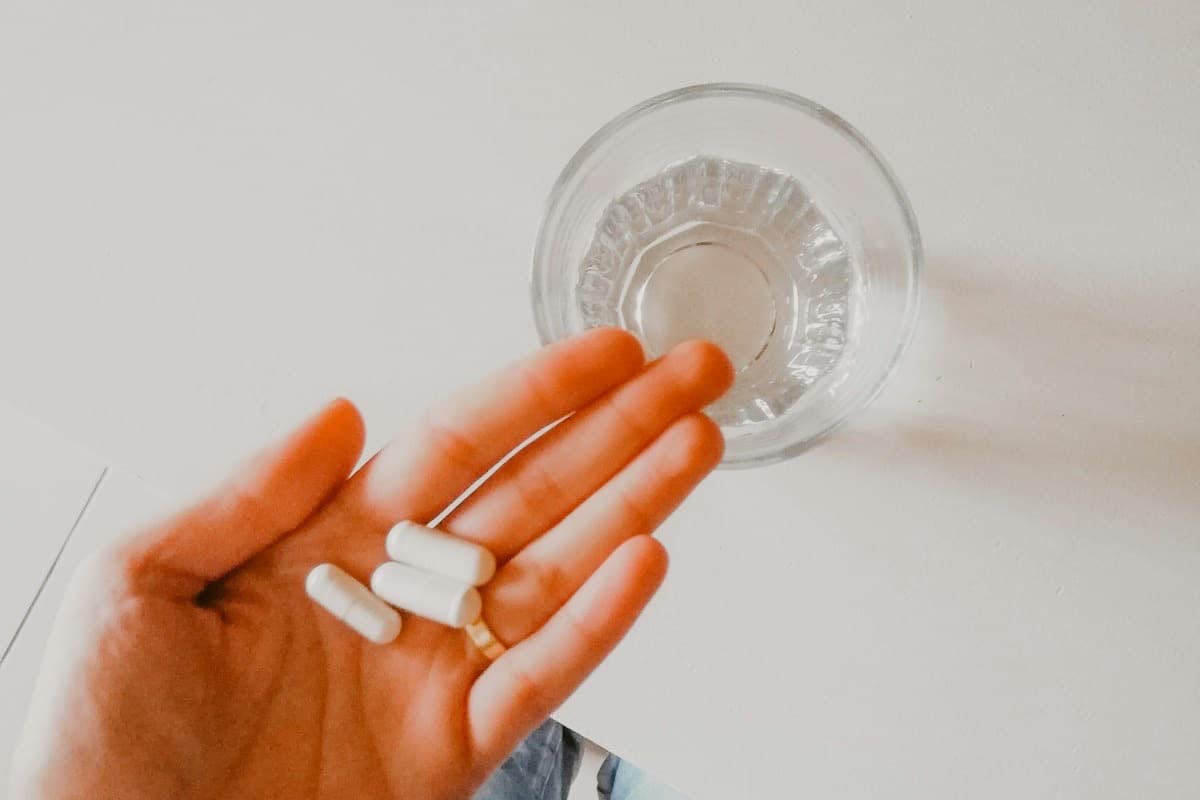
For years, the most powerful weight loss drugs all came with the same catch: you had to inject them. On April 1, 2026, that changed. The FDA approved a daily pill called Foundayo, with the harder-to-say drug name orforglipron, made by Eli Lilly. It is the first weight loss pill in its class that you can swallow any time of day, with or without food or water.
What it is, in plain terms
You have probably heard of semaglutide (sold as Ozempic and Wegovy) and tirzepatide (sold as Mounjaro and Zepbound). These copy a gut hormone called GLP-1 that tells your brain you are full and helps steady your blood sugar. They work well, but they are shots.
Foundayo aims at the same GLP-1 signal, but it does it with a small molecule instead of a peptide. That sounds like a tiny detail, but it is the whole trick. Peptides are fragile and get chewed up in the stomach, which is why most GLP-1 drugs have to be injected. A sturdier small molecule can survive the trip and work as a plain pill. There is even an older GLP-1 pill that needs an empty stomach and careful timing. Foundayo drops those rules: no fasting, no special schedule.
How well did it work
The main study, called ATTAIN-1, followed adults with obesity for 72 weeks, which is about a year and a half. People on the highest dose lost about 27 pounds on average, or roughly 12 percent of their body weight. People on placebo, a dummy pill with no medicine, lost about 2 pounds. The lower doses landed in between, with weight loss of about 7 to 11 percent depending on the strength. The results were published in the New England Journal of Medicine, one of the most respected medical journals.
A second study, called ATTAIN-MAINTAIN, asked a different question: what happens when people already on an injectable switch to the pill? People who moved from a shot like semaglutide or tirzepatide onto Foundayo held onto their weight loss better than those who were switched to placebo. In plain terms, the pill can help keep the weight off, not just take it off.
The downsides
The side effects are the same family you see with the shots, and they are mostly about the stomach: nausea, constipation, diarrhea, and vomiting. For most people they were mild to moderate and showed up early as the dose went up. On the higher doses, roughly a third of people felt nauseous at some point, compared with about one in ten on placebo. That is why the drug comes in six strengths, so a doctor can start low and step up slowly to let the body adjust.
Why this matters
A pill is a big deal for reasons that have nothing to do with how much weight it takes off. Some people are afraid of needles. Pills are easier to ship, store, and make in large amounts, which can ease the shortages that have dogged the injectable drugs. And a once-a-day tablet with no food rules is simply easier to stick with.
It is worth being honest about the trade-off, though. In plain numbers, the top results from the injectables, especially tirzepatide and the newer triple-hormone drug retatrutide, still tend to be larger. So the choice is less about which is strongest and more about what fits your life. Someone who wants the biggest possible result may lean toward a shot, while someone who wants an easy daily routine may prefer the pill. This is the same split we wrote about with Pfizer's once-a-month shot: the race is no longer only about results, but about convenience too.
For a fuller look at where all these drugs are heading, see our roundup of the big 2026 results. Foundayo does not end that race. It just opens a new lane: the easy one.
RY
Written by
Ryan Mercer
Biotech & Markets Writer
Ryan Mercer covers the business and market side of biotechnology, with a focus on peptide therapeutics, GLP-1 drugs, and the companies building around them. He tracks regulatory developments, clinical pipelines, and the commercial dynamics shaping how peptide science moves from research into mainstream healthcare and consumer products.
About Peptide.pub →